
Chimney Repairs South London
South London Regional Coverage & Micro-Profiles
Select your local town to view targeted chimney repair services, historical brickwork requirements, and common stack failure modes across your area:
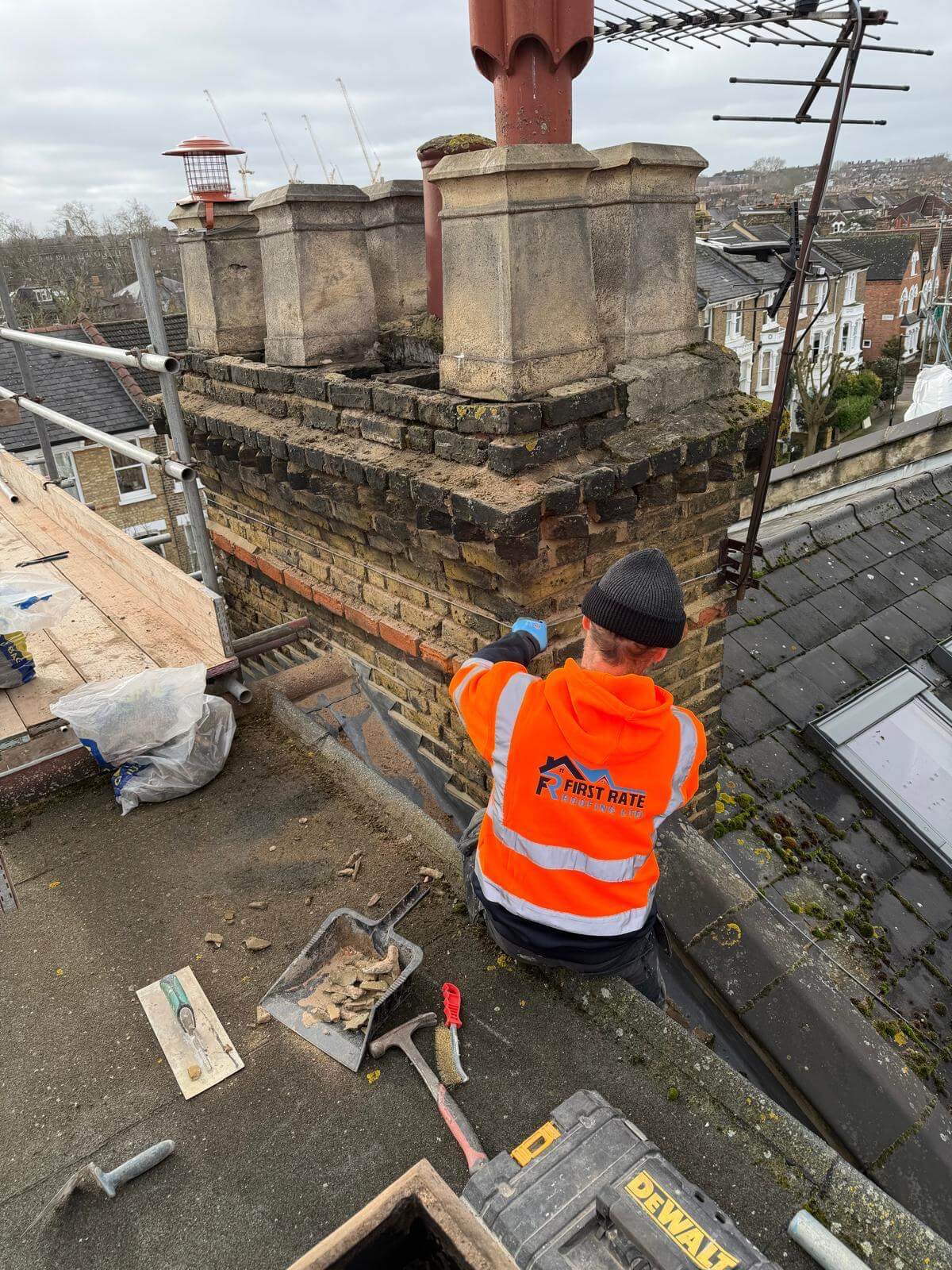
Dulwich, Blackheath & Greenwich (SE21, SE22, SE3): Grand Victorian and Edwardian multi-flue stacks. Primary risk stems from original lime mortar erosion, cracked flaunching caps, and severe weather exposure on elevated stacks.
Clapham, Balham, Battersea & Wandsworth (SW4, SW12, SW11, SW18): Dense mid-to-late Victorian terraces with shared party-wall stacks. Primary risk includes failing lead stepped flashings, leaning shared stacks, and damp penetration along chimney breasts.
Bromley, Chislehurst & Beckenham (BR1, BR2, BR7, BR3): Substantial 1930s suburban semi-detached homes and period properties. Primary risk centers on cracked mortar joints, loose chimney pots, and unvented redundant flues trapping internal condensation.
Croydon, Purley & Coulsdon (CR0, CR8, CR5): Mixed housing stock from 1920s villas to high-ridge suburban estates. Primary risk involves severe frost spalling on cement-repointed stacks and deteriorating lead front aprons.
Sutton, Mitcham & Tooting (SM1, SM2, CR4, SW17): Victorian cottage terraces and mid-century family housing. Primary risk includes loose brickwork courses near top stack rims and decaying flaunching bedding around pots.
Forest Hill, Sydenham & Crystal Palace (SE23, SE26, SE19): High-elevation ridge properties exposed to gale-force winds. Primary risk involves storm-damaged lead back gutters and wind-shaken multi-pot stacks.
A Note on Listed Buildings and Conservation Areas
Most roof repairs don't need planning permission. However, if your property is a listed building or sits within a conservation area, permission may be required even for repair work, particularly if the repair changes the roof's appearance or materials.
If you're unsure whether this applies to your property, ask us during the free inspection — we'll flag it rather than start work and leave you to find out later.




What Customers Say About Us
Real reviews. Real workmanship. Real results.




Get A Quote
The Lime Mortar Difference for Period Stacks
The Common Mistake That Destroys Victorian Brickwork
Victorian and Edwardian chimneys across South London were built using traditional lime mortar. Lime mortar is softer and more porous than modern hard cement, allowing moisture absorbed by the stack to evaporate safely out through the mortar joints.
When an inexperienced builder repoints a period chimney using standard hard cement mortar, water becomes trapped inside the porous historic brickwork. During South London's freezing winter weather, this trapped moisture expands, causing the face of the bricks to crack, flake, and shatter from the inside out (known as spalling).
John Quilligan and our masonry team formulate traditional lime mortar mixes tailored specifically to the age and brick composition of your period stack. This ensures your chimney breathes correctly, protecting structural brickwork for generations.
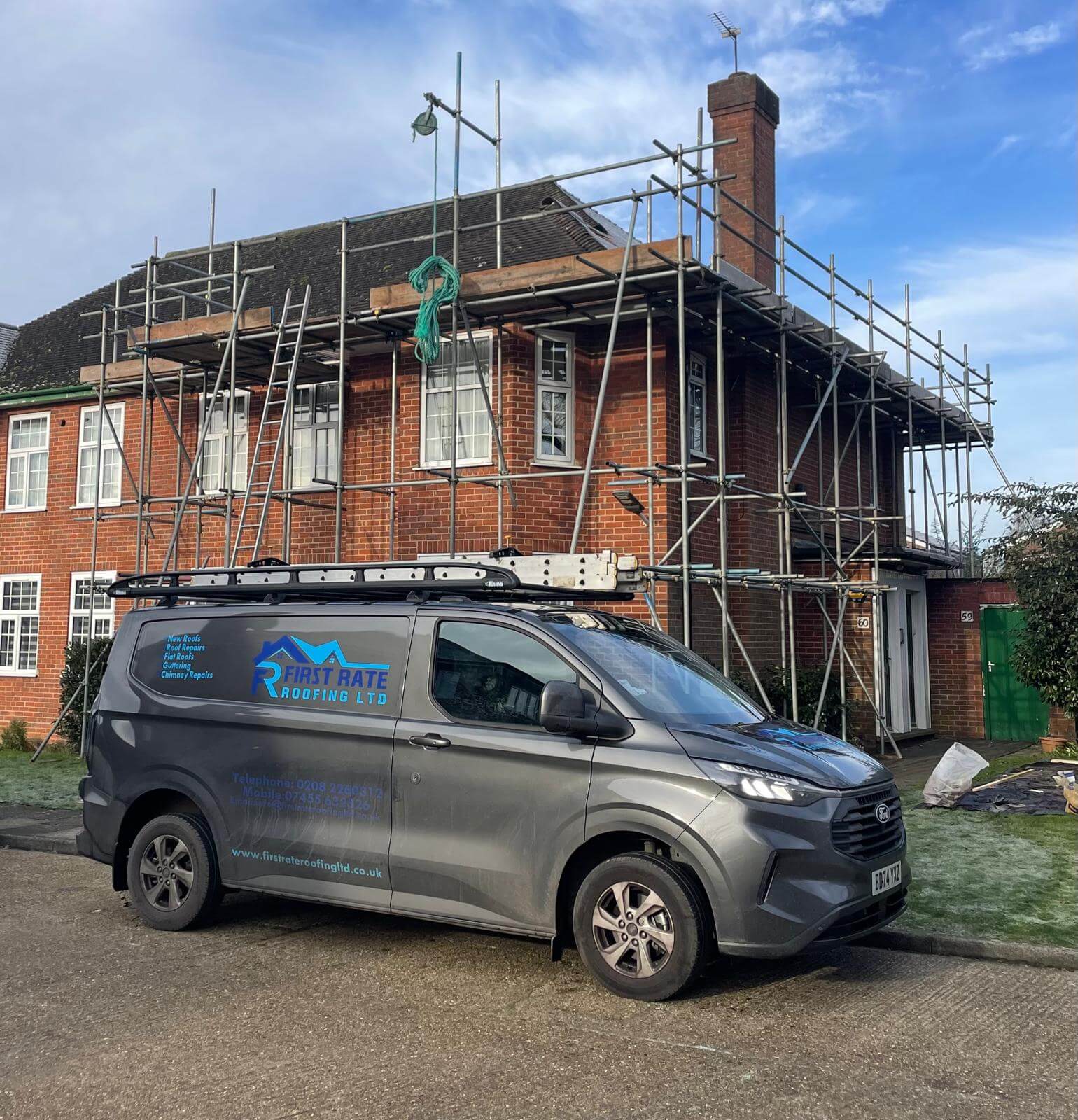
How We Handle a Chimney Job
Comprehensive Chimney Repair Services
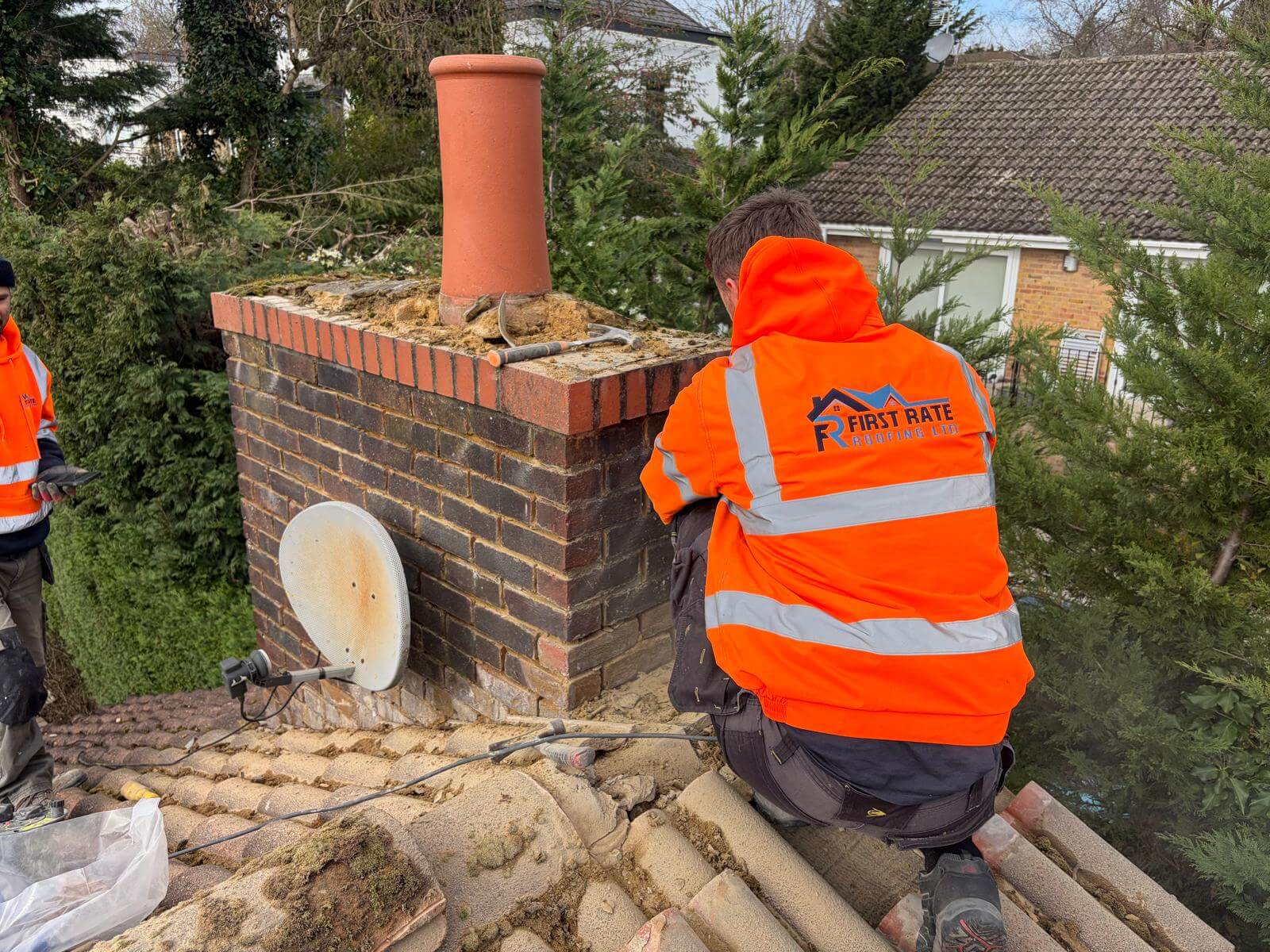
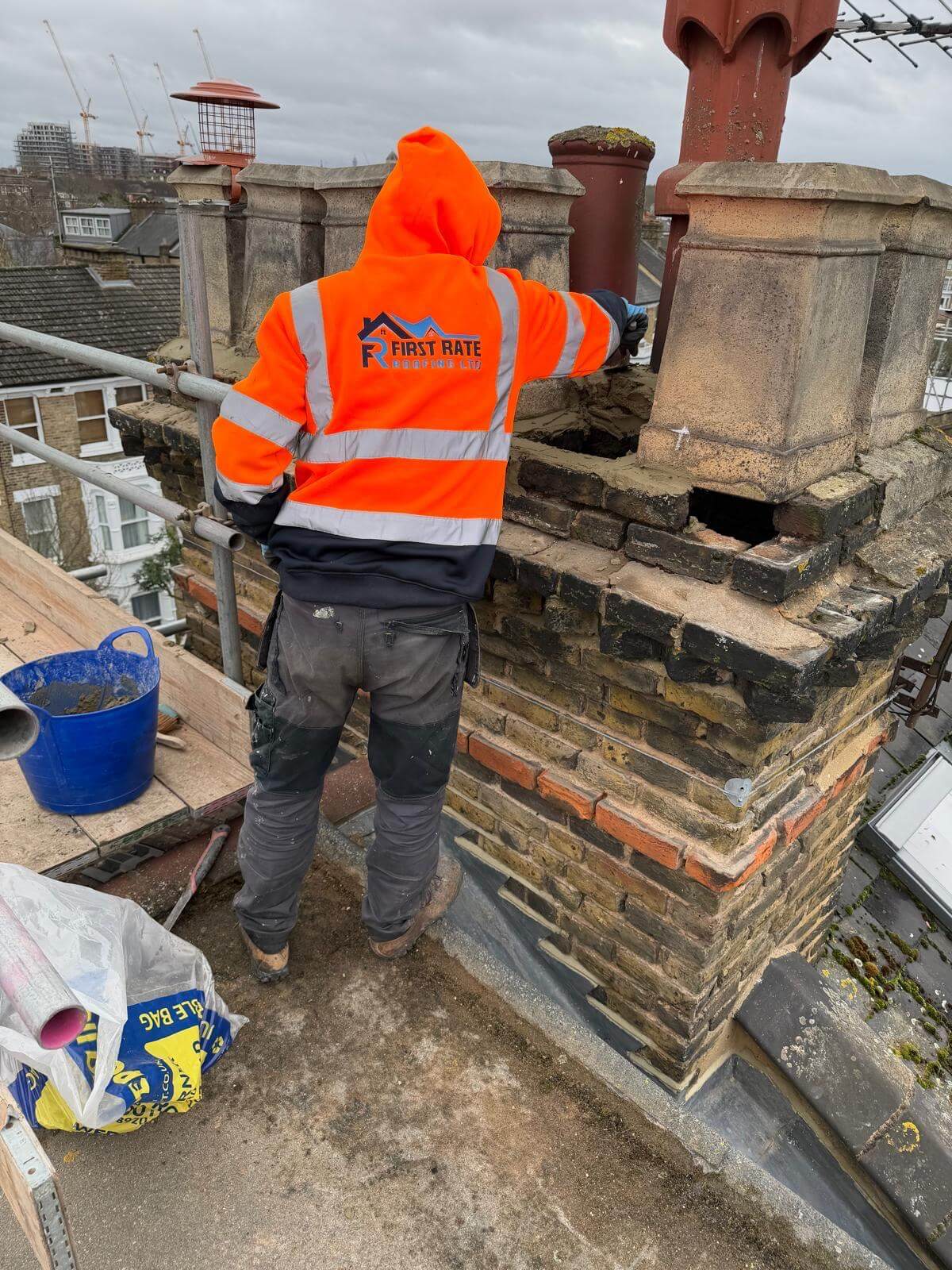
Lime Mortar Repointing: Raking out failed, crumbling mortar joints and replacing them with breathable, period-matched lime mortar.
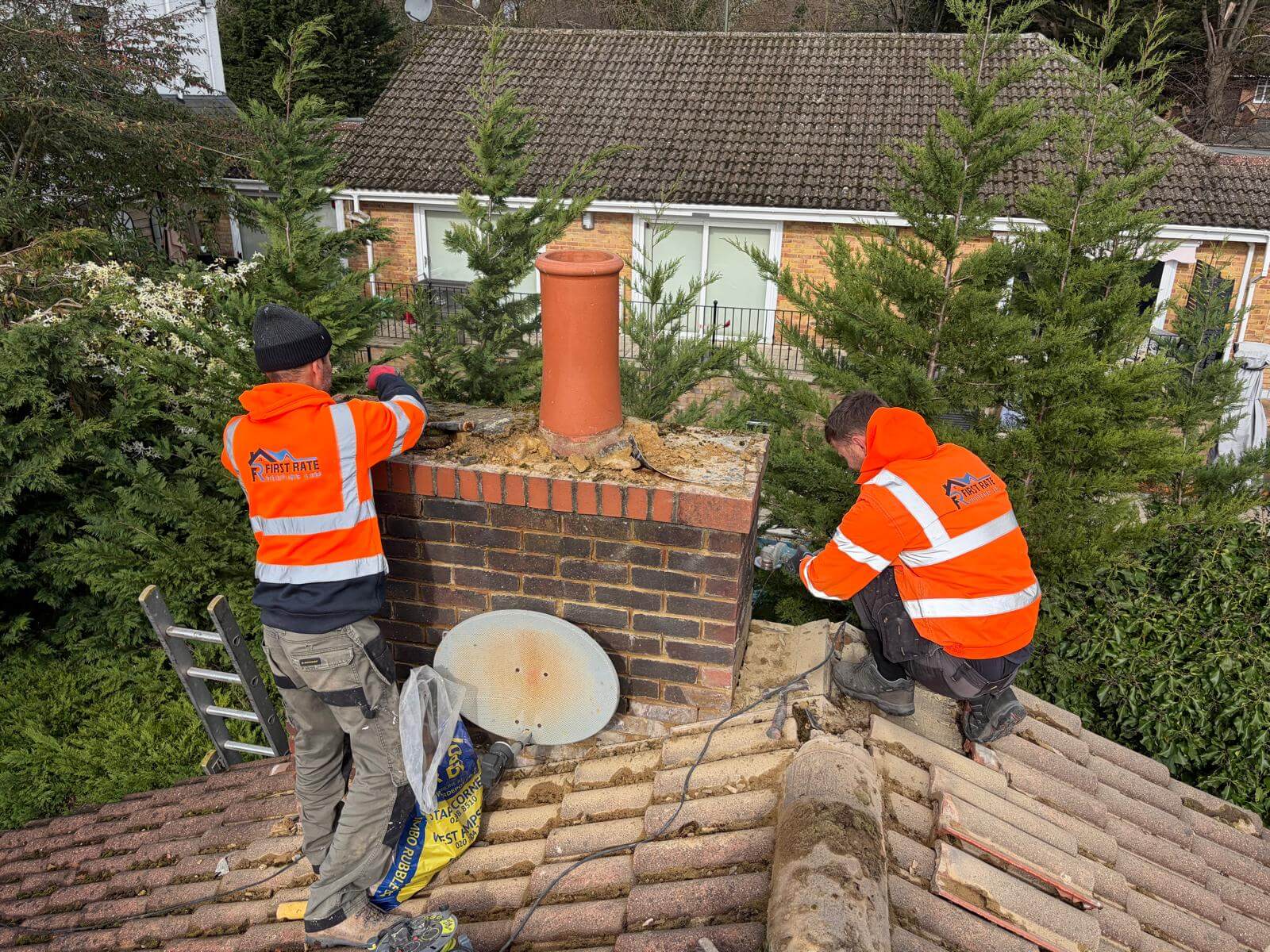
Flaunching Repair & Replacement: Re-laying the mortar cap along the top of the stack to form a watertight, sloped crown around chimney pots.
Chimney Pot Fitting & Capping: Re-bedding loose pots, replacing cracked terracotta pots, and fitting ventilated caps over redundant flues.
Code 4 & Code 5 Lead Flashing: Precision hand-bossed lead front aprons, side step flashings, back gutters, and chimney soakers.
Partial & Full Stack Rebuilds: Dismantling dangerous or unstable stack brickwork down to sound masonry and rebuilding with matching bricks.
Structural Stabilization & Removal: Safe bracing, repointing, or complete above-roofline stack removals where flues are no longer required.
Transparent South London Chimney Repair Costs
Flaunching Repairs (£150 – £500): Covers chipping away cracked mortar caps around chimney pots and laying a fresh, waterproof mortar crown. (All-in costs including necessary scaffolding typically range between £500 and £800).
Chimney Pot Replacement (£150 – £400 per pot): Covers removing damaged terracotta pots, supplying period-matched replacements, and bedding them securely into fresh flaunching.
Lead Flashing & Soaker Repairs (£400 – £1,500): Covers replacing torn, thin, or poorly installed lead aprons, step flashings, and back gutters with Code 4 or Code 5 milled lead.
Stack Repointing (£500 – £1,500 for standard stacks; £2,000+ for multi-flue stacks): Covers raking out joints and repointing using traditional lime or matched mortar. Costs depend on access, stack height, and total number of flues.
Partial to Full Stack Rebuilds (£600 – £1,500 for partial; £1,500 – £5,000+ for full rebuilds): Covers taking down degraded brickwork courses and rebuilding the stack from the roofline up, complete with new leadwork, flaunching, and pots.
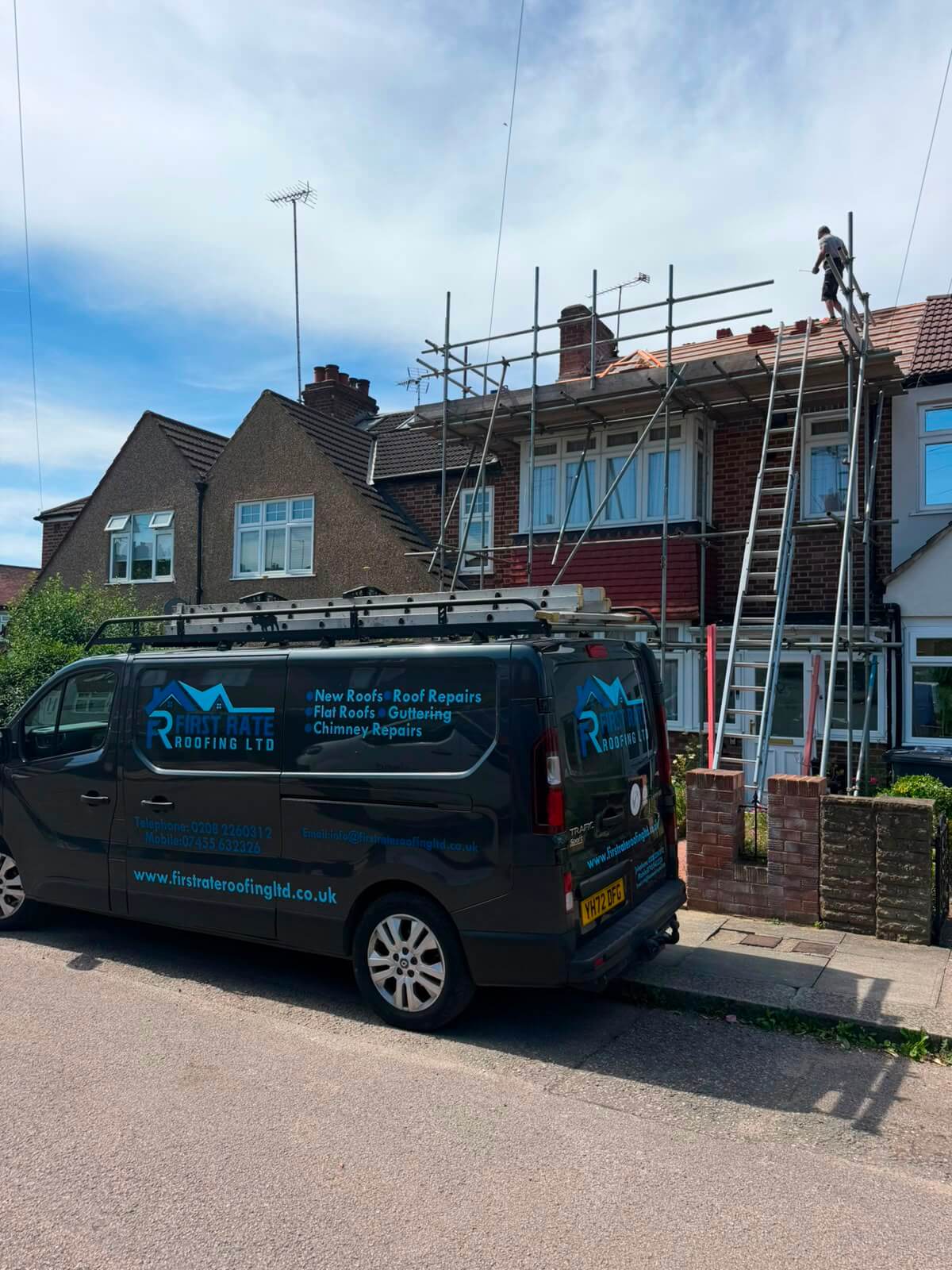
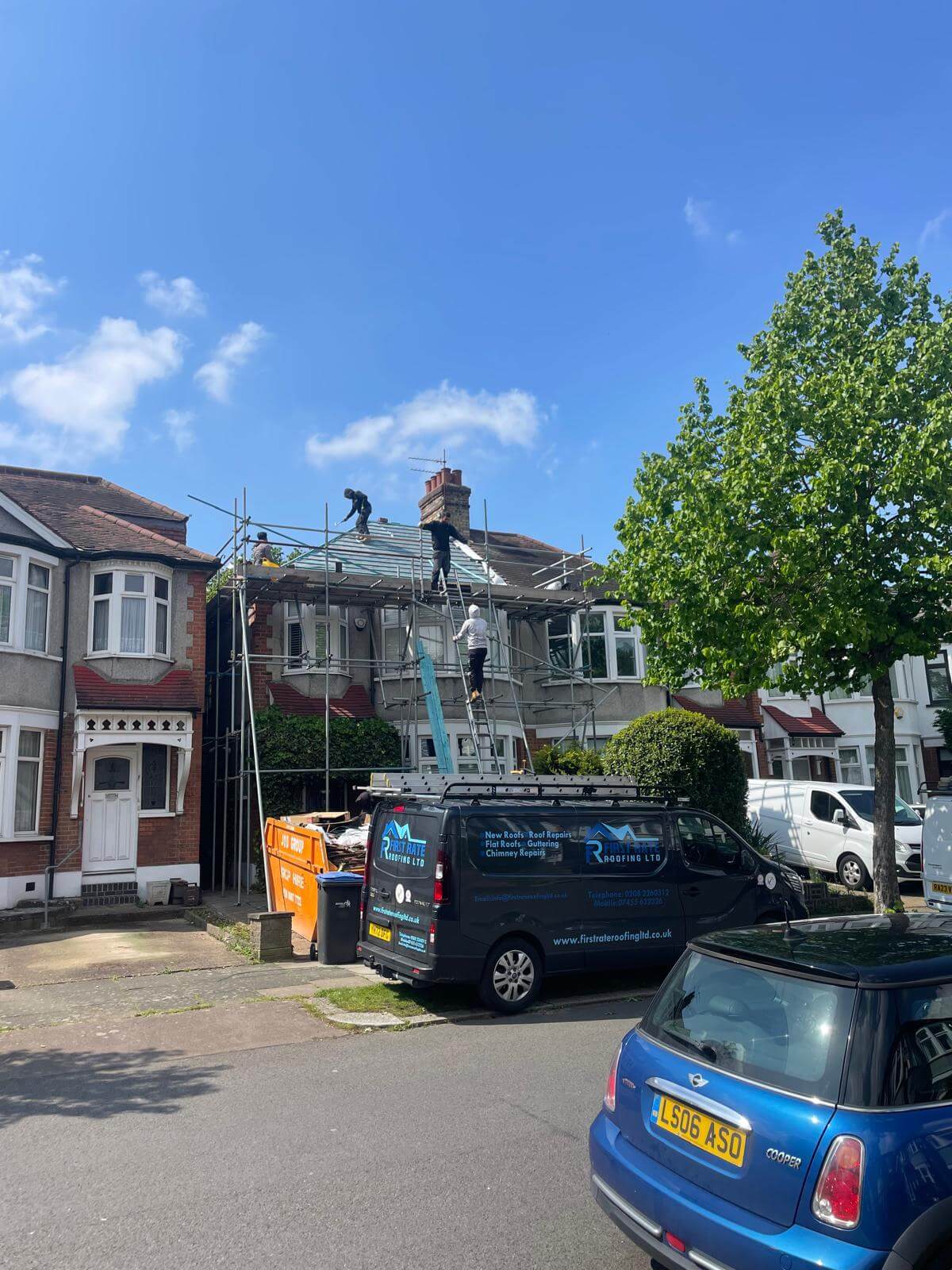
Scaffolding note: Scaffolding represents a significant portion of safe chimney access costs (£400–£1,200). We recommend addressing flaunching, brickwork repointing, and lead flashings during a single scaffold setup to avoid double access costs.
Chimney Repairs FAQ's
Why does my period chimney in South London require lime mortar instead of standard cement?
Period brick chimneys were built to work with lime mortar's flexibility and breathability, allowing moisture to evaporate naturally. Modern cement mortar is too hard and waterproof, trapping moisture inside soft historic bricks, which causes them to freeze, expand, and spall during winter.
What is flaunching, and why does it cause chimney leaks?
Flaunching is the sloped mortar cap surrounding the base of your chimney pots at the top of the stack. When weather exposure cracks this cap, rainwater flows straight down inside the brickwork core, causing internal ceiling damp long before leaks appear outside.
How do I know if my stack needs repointing or a full brickwork rebuild?
If the damage is limited to crumbling joints and the surrounding bricks are solid, repointing is the right solution. If bricks are crumbling, cracked, or the stack shows visible leaning, a partial or full rebuild is necessary to restore structural safety.
Is a damp patch on my upstairs bedroom wall definitely a chimney leak?
Very often, damp near a chimney breast is caused by broken lead flashing around the base of the stack or cracked flaunching at the top, rather than a failure of the main chimney bricks. We inspect all components together to pinpoint the exact leak entry.
Why should I cap a redundant chimney flue rather than seal it completely?
Sealing a disused chimney completely traps cold air and condensation inside the flue, causing damp patches to leach through internal chimney breast walls. Installing a vented rain cap allows continuous air movement while stopping rain and nesting birds.
Any Questions?
Ask Us
Related Structural & Roofline Services
To ensure complete exterior protection across every property we inspect, we interlink our specialized trades under our primary South London Roofers Regional Hub.


Schedule Your Free South London Chimney Inspection
Whether you need traditional lime mortar repointing on a Victorian stack in Dulwich or emergency lead flashing repairs in Clapham, First Rate Roofing Ltd provides guaranteed, period-accurate brickwork craftsmanship.
10-Year Written Guarantee on chimney repointing, leadwork, and repairs.
25-Year CORC Guarantee on complete stack rebuilds and roof replacements.
Direct Access to John Quilligan and our dedicated in-house trade team.