
Chimney Repairs South West London
South West London Architectural Profiles & Stack Failures
Chelsea, Fulham & Wandsworth (SW3, SW10, SW6, SW18): Tall 4-story Victorian and Georgian townhouses featuring complex multi-flue shared party-wall stacks. Primary risks involve failing lead step flashings along parapet walls, leaning party-wall masonry, and missing lime mortar between high-elevation brick courses.
Richmond, Kew, Barnes & Mortlake (TW9, SW13, SW14): Period conservation properties positioned along damp river corridors. High atmospheric moisture accelerates the breakdown of top flaunching caps, while river winds pull cold moisture into unvented, capped flues.
Wimbledon, Putney & Raynes Park (SW19, SW15, SW20): Substantial Edwardian villas and inter-war properties with ornate terracotta pots. Primary risks include cracked top-stack brickwork, wind-damaged chimney pots, and degraded lead back gutters behind wide stacks.
Kingston upon Thames, Surbiton & New Malden (KT1, KT2, KT5, KT3): 1930s suburban family homes and riverside estates. Primary risks focus on hard cement repointing causing brick spalling, crumbling mortar crowns, and leaking front lead aprons.
Twickenham, Teddington, Hampton & East Sheen (TW1, TW11, TW12, SW14): Historic townhouses and character properties. Primary risks center on dislodged flue liners, eroded mortar joints from intense weather exposure, and damp penetration along chimney breasts.
Earlsfield & Morden (SW18, SM4): Dense Victorian cottage terraces and mid-century housing. Primary risks include rainwater ingress through un-capped disused flues and failing lead soakers tucked beneath slate courses.
Verified Workmanship & Guarantees
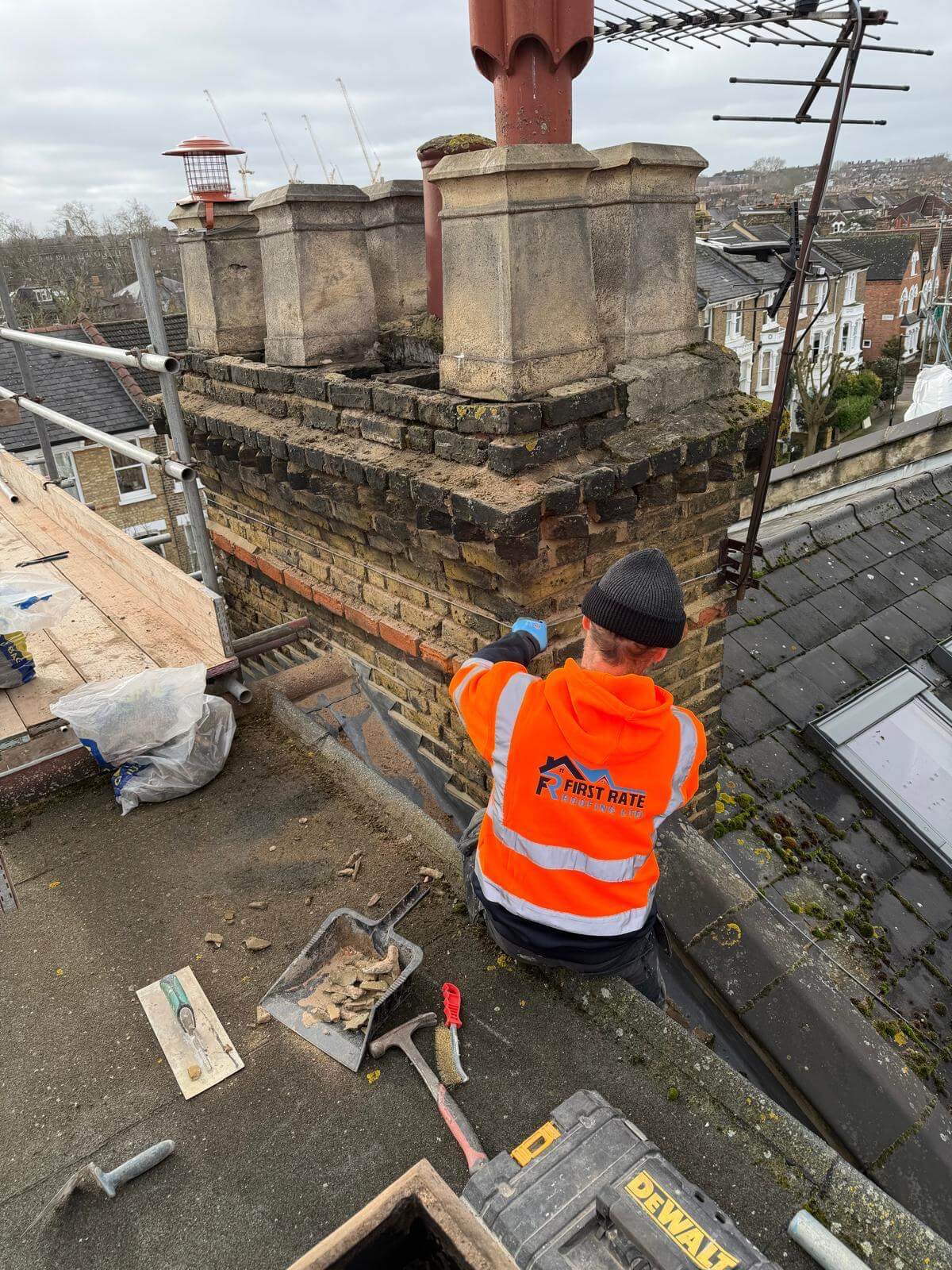
Every chimney repointing job, leadwork installation, or stack restoration across South West London carries our written 10-year guarantee. Complete stack rebuilds integrated into main rooflines are backed by our 25-year CORC insurance-backed guarantee.
We never assess stacks from street level or rely on satellite images. John Quilligan and our masonry specialists climb onto the roof to inspect mortar firmness, brick faces, lead soakers, and pot security firsthand.




What Customers Say About Us
Real reviews. Real workmanship. Real results.




Get A Quote
Why South West London's Period Stacks Demand Lime Mortar
The Moisture Trap of Modern Cement
A vast proportion of housing stock in Chelsea, Fulham, Richmond, and Wimbledon was built using soft, handmade Victorian or Edwardian bricks bedded in flexible natural lime mortar. Lime allows brickwork to breathe, drawing absorbed moisture out to evaporate naturally into the air.
When previous contractors patch these period stacks using modern Portland cement, they create a rigid, non-breathable seal. Rainwater becomes trapped inside the softer brickwork behind the hard cement lines. During winter frost, this trapped water expands rapidly, blowing off the face of the brickwork (spalling) and turning structural masonry into dust.
John Quilligan and our team mix authentic hydraulic lime mortar matched precisely in color, aggregate, and strength to your original stack. This restores structural stability, prevents moisture buildup, and maintains compliance with local South West London conservation guidelines.
How We Handle a Chimney Job
Comprehensive Chimney Restoration Services
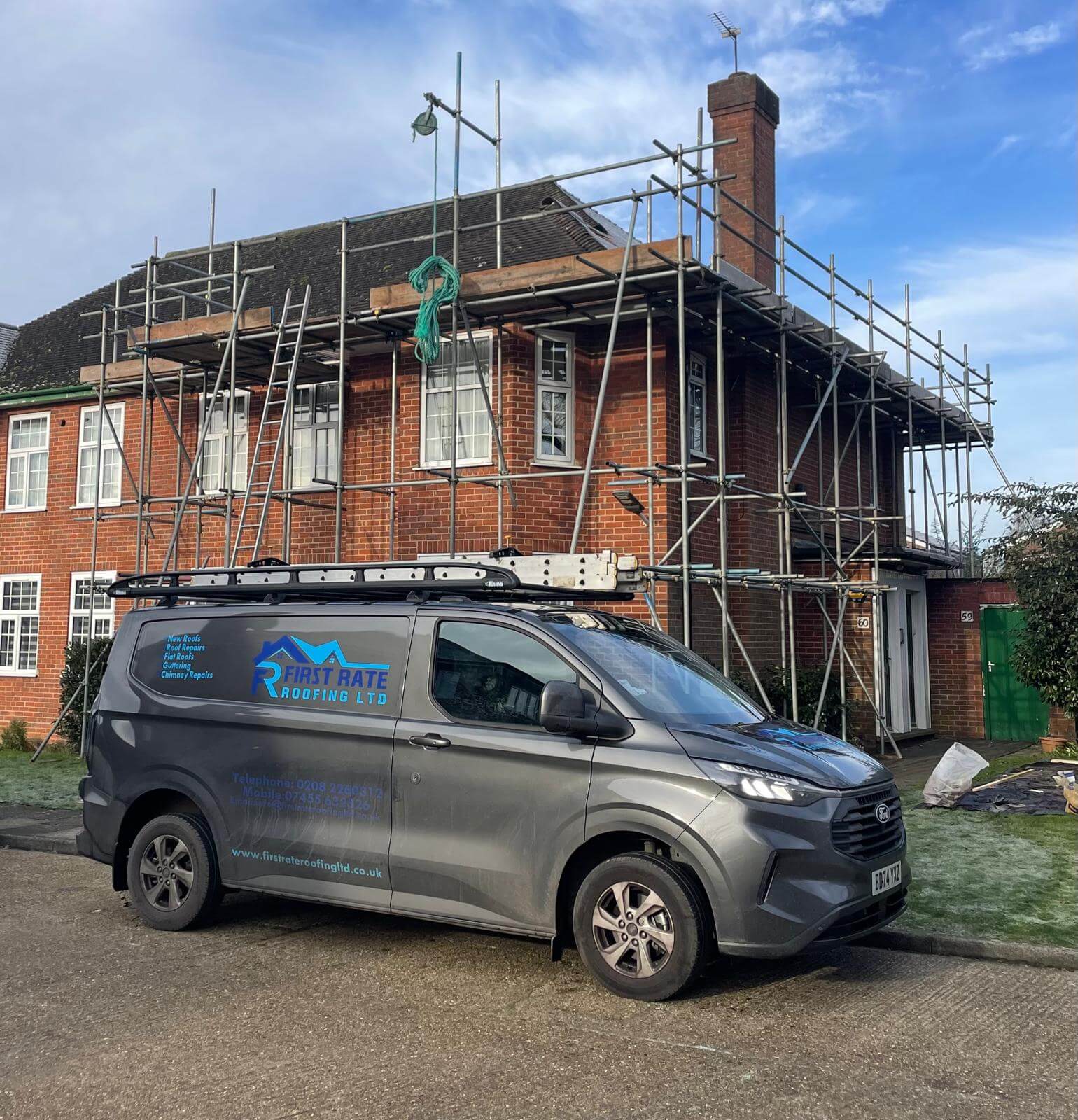
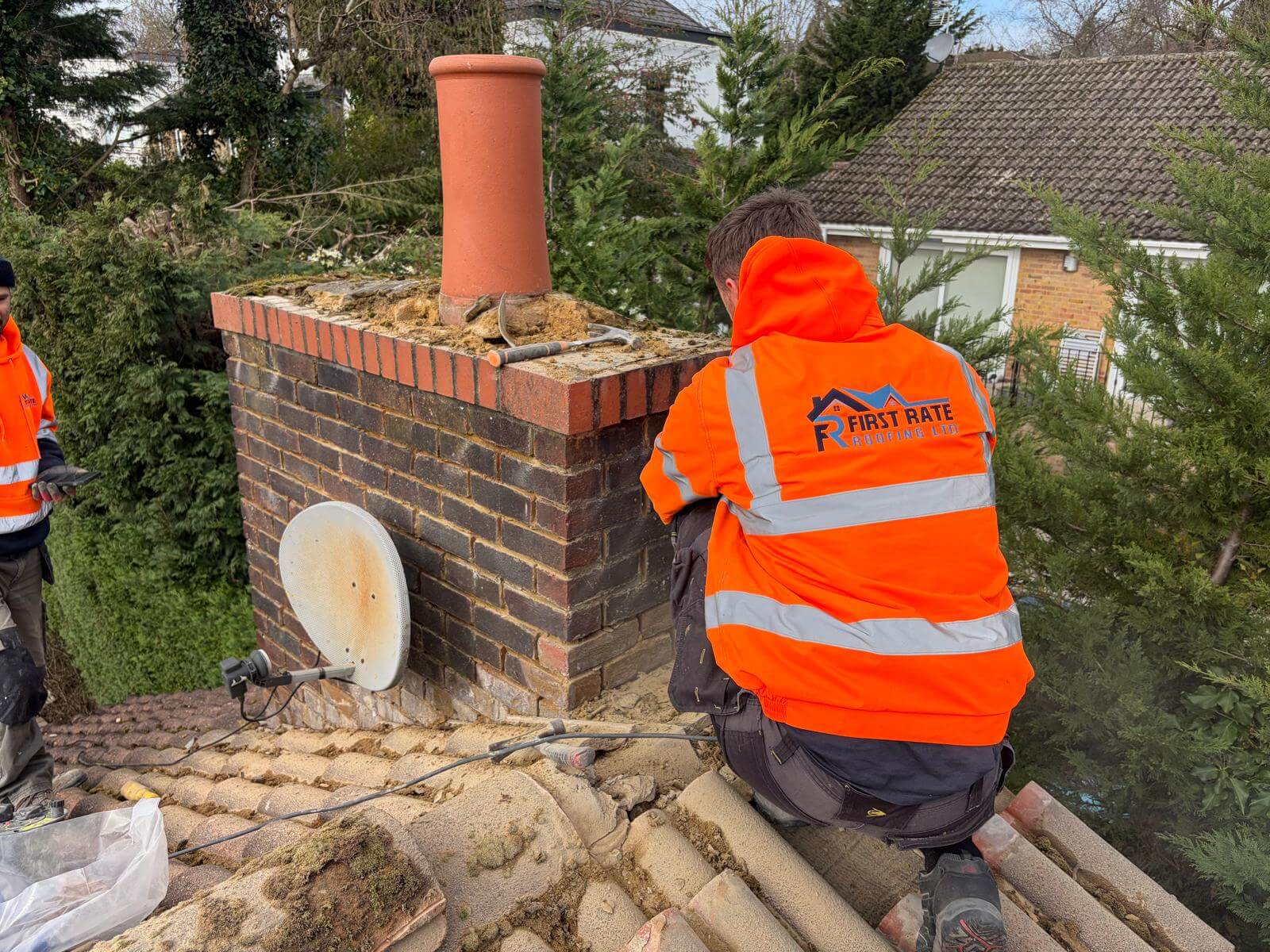
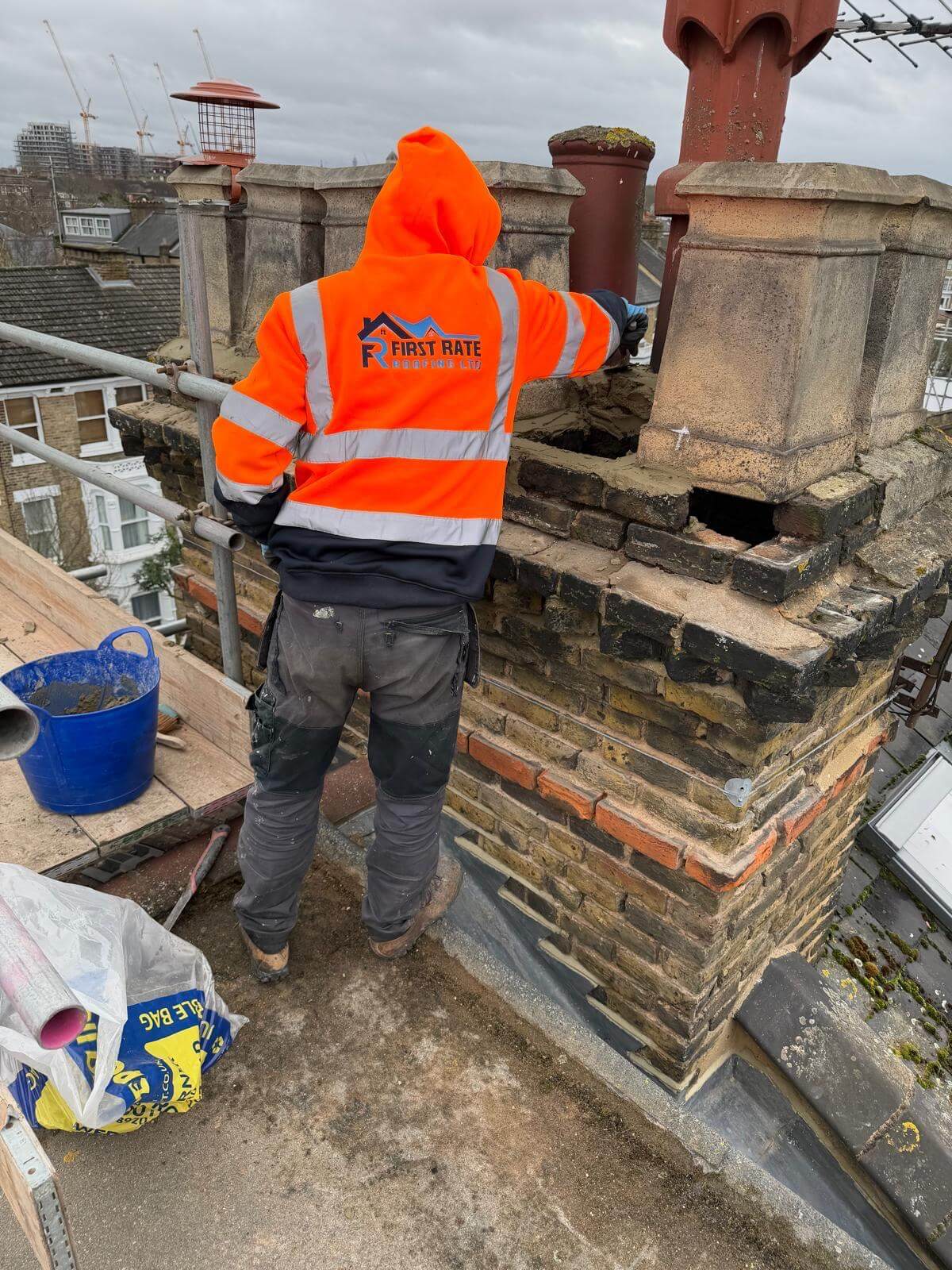
Heritage Lime Mortar Repointing: Precision raking of degraded mortar joints and hand-pointing with breathable hydraulic lime.
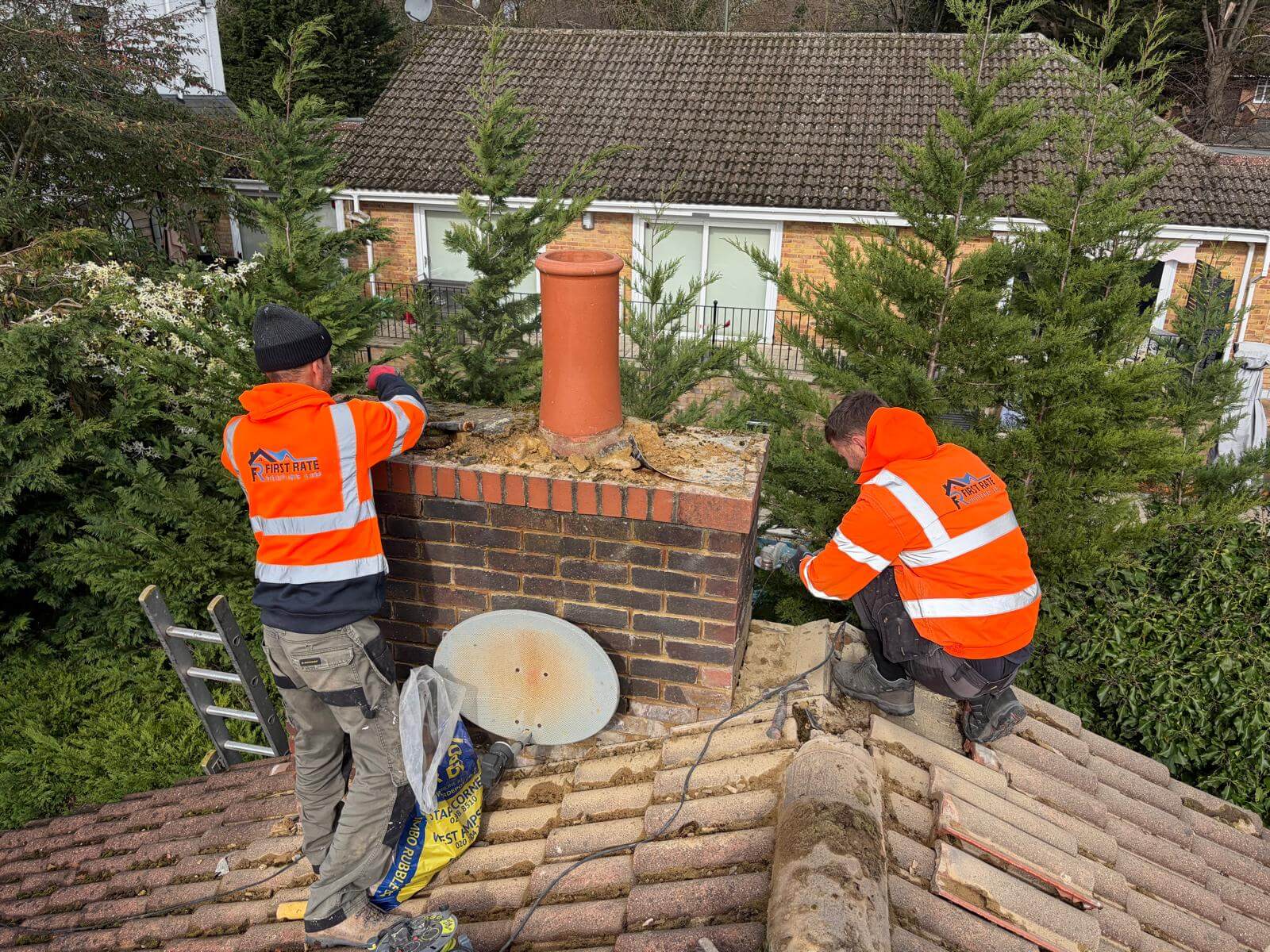
Flaunching Cap Reconstruction: Removing broken, cracked concrete crowns and laying smooth, sloped, waterproof mortar caps around pot bases.
Terracotta Pot Replacement & Refitting: Re-bedding loose pots, replacing shattered terracotta units, and fitting decorative or hooded caps.
Code 4 & 5 Leadwork Overhauls: Hand-bossing custom lead front aprons, side step flashings, back gutters, and concealed soakers around complex stacks.
Partial & Full Stack Rebuilds: Carefully dismantling unstable or leaning brickwork down to solid courses and rebuilding with matching historic or reclaimed brick.
Redundant Flue Ventilation Capping: Fitting breathable Pepperpot or C-Cap cowls over disused flues to block rain and birds while maintaining internal air circulation.
Transparent South West London Chimney Repair Costs
Flaunching Crown Repairs (£150 – £500): Covers chipping away shattered mortar caps and laying a fresh, waterproof sloped crown around chimney pots. (Total costs including access scaffolding usually range between £500 and £800).
Chimney Pot Fitting & Capping (£150 – £400 per pot): Covers removing damaged pots, sourcing matching terracotta replacements, and bedding them into fresh flaunching with ventilated caps.
Lead Flashing & Back Gutters (£400 – £1,500): Covers replacing torn, thin, or poorly installed lead aprons, step flashings, and back gutters with Code 4 or Code 5 milled lead.
Stack Repointing (£500 – £1,500 for standard single/double flues; £2,000+ for multi-flue stacks): Covers raking out joints and repointing using breathable lime mortar. Costs depend on stack height, flue count, and scaffolding requirements.
Partial & Full Stack Rebuilds (£600 – £1,500 for top-course rebuilds; £1,500 – £5,000+ for complete stack overhauls): Covers dismantling hazardous brickwork, rebuilding with matching brickwork, and fitting new leadwork, flaunching, and pots.
Access Note: Scaffolding represents a significant portion of safe chimney repairs (£400–£1,200). We always conduct a complete inspection so all brickwork, leadwork, and flaunching needs are addressed under a single scaffold installation.
Chimney Repairs FAQ's
Do I need planning permission or conservation consent for chimney repairs in SW London?
Like-for-like repairs using matching materials do not require planning permission. However, if your property is a listed building or located within a designated conservation area (such as parts of Richmond, Kew, Chelsea, or Wimbledon Village), using authentic lime mortar and matching terracotta pots is essential. We guide you through these requirements during our survey.
Why is damp appearing on my chimney breast if the bricks look fine from the ground?
Damp patches on internal chimney breasts are most frequently caused by cracked flaunching at the top of the stack or split lead soakers concealed beneath the roof tiles, rather than broken bricks. Water trickles down the inside of the flue and seeps through internal plasterwork.
Why are multi-flue chimney repairs in places like Chelsea or Fulham more expensive?
Victorian townhouses often feature large multi-flue stacks serving 4 to 8 separate fireplaces across multiple flats. These stacks require extensive scaffolding setups, significantly more brickwork area, and delicate hand-bossed leadwork around multiple corners and valleys.
What causes a chimney stack to lean?
A chimney stack leans when the mortar joints on the side facing prevailing weather erode and expand faster than the sheltered side, or when internal acid condensation from old gas fires weakens the inner flue brickwork. A leaning stack must be evaluated promptly to determine if structural bracing or a partial rebuild is needed.
Can you cap my chimney if I no longer use the fireplace?
Yes. We install breathable terracotta pepperpot caps or chimney cowls. These block rain ingress and nesting birds while allowing continuous airflow down the flue, preventing internal damp and stale air smells from building up inside your home.
Any Questions?
Ask Us
Related Structural & Roofline Services
To ensure complete exterior protection across every property we inspect, we interlink our specialized trades under our primary South West London Roofers Regional Hub.


Schedule Your Free South West London Chimney Inspection
Whether you require traditional lime mortar repointing on a period terrace in Fulham or emergency lead flashing repairs in Richmond, First Rate Roofing Ltd delivers guaranteed, period-accurate masonry craftsmanship.
10-Year Written Guarantee on chimney repointing, leadwork, and repairs.
25-Year CORC Guarantee on complete stack rebuilds and roof replacements.
Direct Access to John Quilligan and our dedicated in-house trade team.