Roofers Raynes Park
1930s Suburban Housing Stock: Restoring Gables and Clay Tile Pitch Roofs
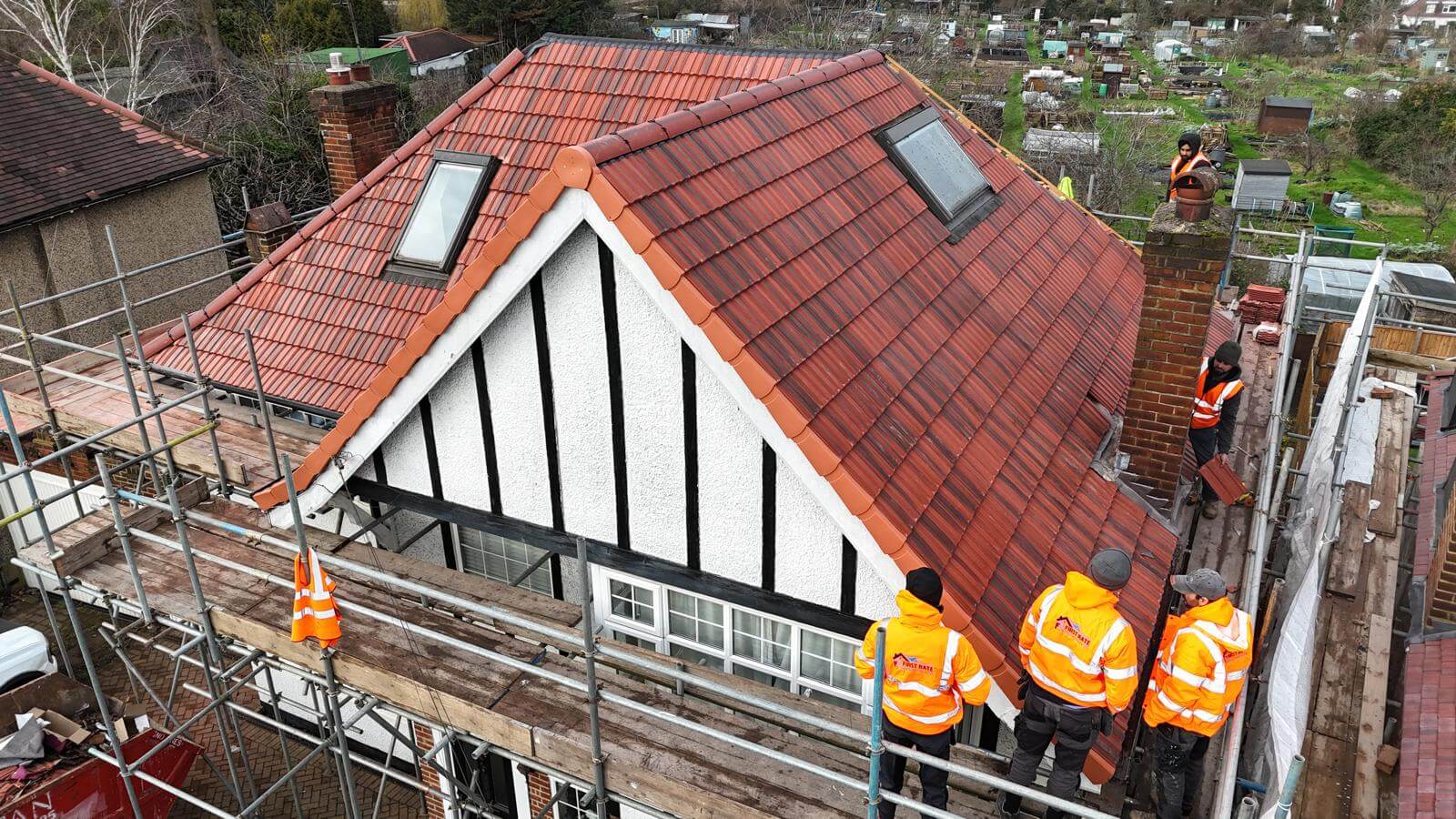
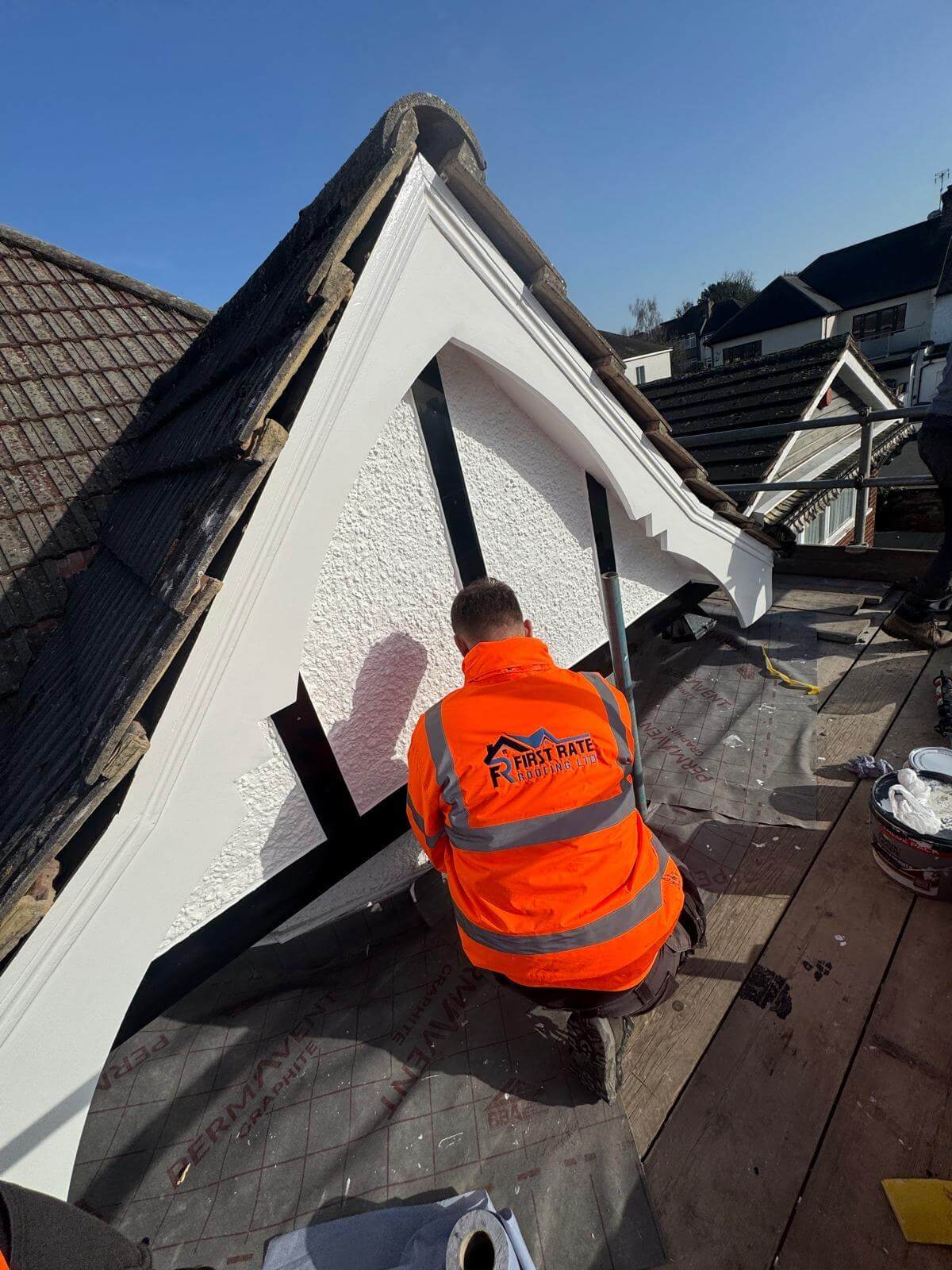
The residential avenues surrounding Grand Drive, Bushey Road, and Cannon Hill Lane are defined by classic 1930s suburban architecture. These properties feature steep pitched roofs clad in machine-made clay plain tiles, prominent front gables with decorative mock-Tudor timberwork, and tile-hung bay fronts. After nearly a century of weather exposure, these roof structures require specialized structural maintenance.
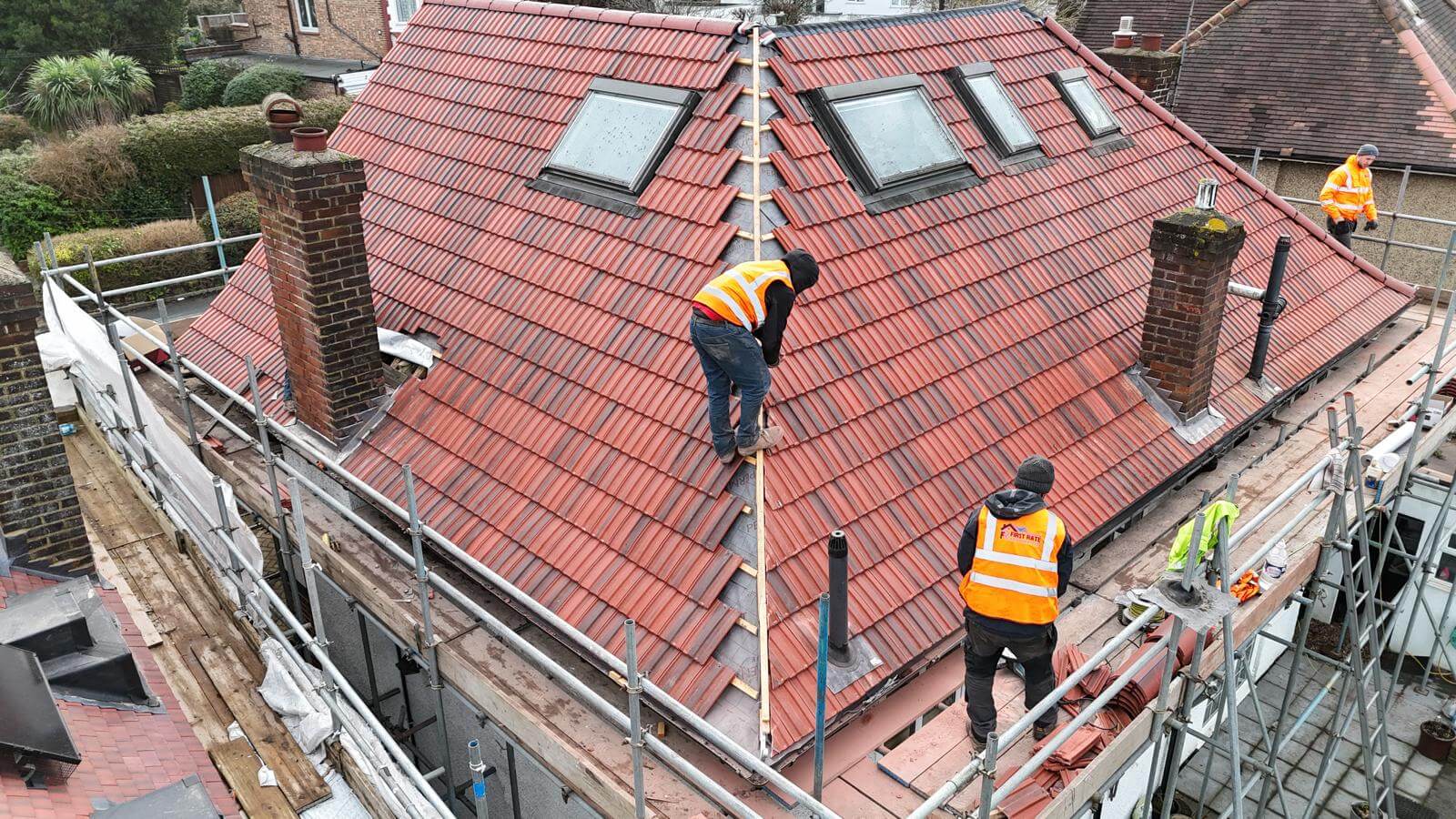
Original fixing nails on 1930s clay tiles deteriorate over time, leading to widespread "nail sickness" where tiles slide out of position down the roof pitch. Additionally, the traditional cement mortar used along gable verges and ridge hips dries out, cracks, and crumbles away. Loose verge mortar allows gale-force winds to lift edge tiles during severe storms, exposing internal roof timbers to wind-driven rain.
John Quilligan and our roofing team specialize in restoring 1930s pitched roofs across Raynes Park. We secure loose tiles using corrosion-resistant copper nails and stainless steel tile clips, source matching machine-made clay tiles, and convert crumbling gable verges to maintenance-free dry-verge capping systems. This anchors perimeter tiles firmly against wind uplift while preserving your home’s suburban street appeal.
Backed By More Than Just Our Word
Every complete re-roof we install in Raynes Park carries a written 25-year guarantee. As long-standing members of the Confederation of Roofing Contractors (CORC, est. 1985), we provide independent, insurance-backed protection—ensuring your cover remains fully valid regardless of the future. Repairs, leadwork, and chimney restorations carry up to a 10-year written warranty.
We are fully verified members of TrustATrader and Checkatrade with a 4.9/5 star customer rating. Every project across SW20 is executed directly by John Quilligan and our permanent, uniformed roofing team. We never use third-party subcontractors or day laborers.




Our Roofing Services in Raynes Park
From minor tile fixes to full property overhauls, we deliver complete roofing services in South West London, South London, and Surrey. Every project is completed by our dedicated in-house crew using specification-grade materials—never cheap, off-the-shelf shortcuts.


Get A Quote
Real Work, Real Proof, Real Reviews
What Customers Say About First Rate Roofing




Merton Council Standards: Period Slate and Leadwork Across Coombe Lane
Heading north toward Coombe Lane and the streets surrounding Raynes Park Station, the housing stock transitions to late Victorian and Edwardian semi-detached terraces. Merton Council enforces strict planning guidelines to preserve the historical character of these period properties. Altering original rooflines with cheap concrete tiles or modern plastic trims can breach local planning guidelines and reduce market value.
Victorian roofs along these avenues feature natural Welsh slate, decorative timber fascias, and intricate lead valleys where adjoining roofs meet. Leaks in these period homes typically stem from split lead valley linings or eroded flashing around multi-flue chimney stacks serving adjoining properties.
First Rate Roofing provides fully compliant heritage repairs across SW20. We source high-grade natural Welsh slates that precisely match the size, thickness, and color profile of your existing roof deck. Our team executes all leadwork in-house, dressing Code 4 and Code 5 sheet lead by hand for chimney back gutters, step flashings, and valley linings, delivering an airtight, weather-proof seal that satisfies local council guidelines.
How To Book Our Roofing Services
Flat Roof Upgrades for Rear Extensions and Garages in SW20
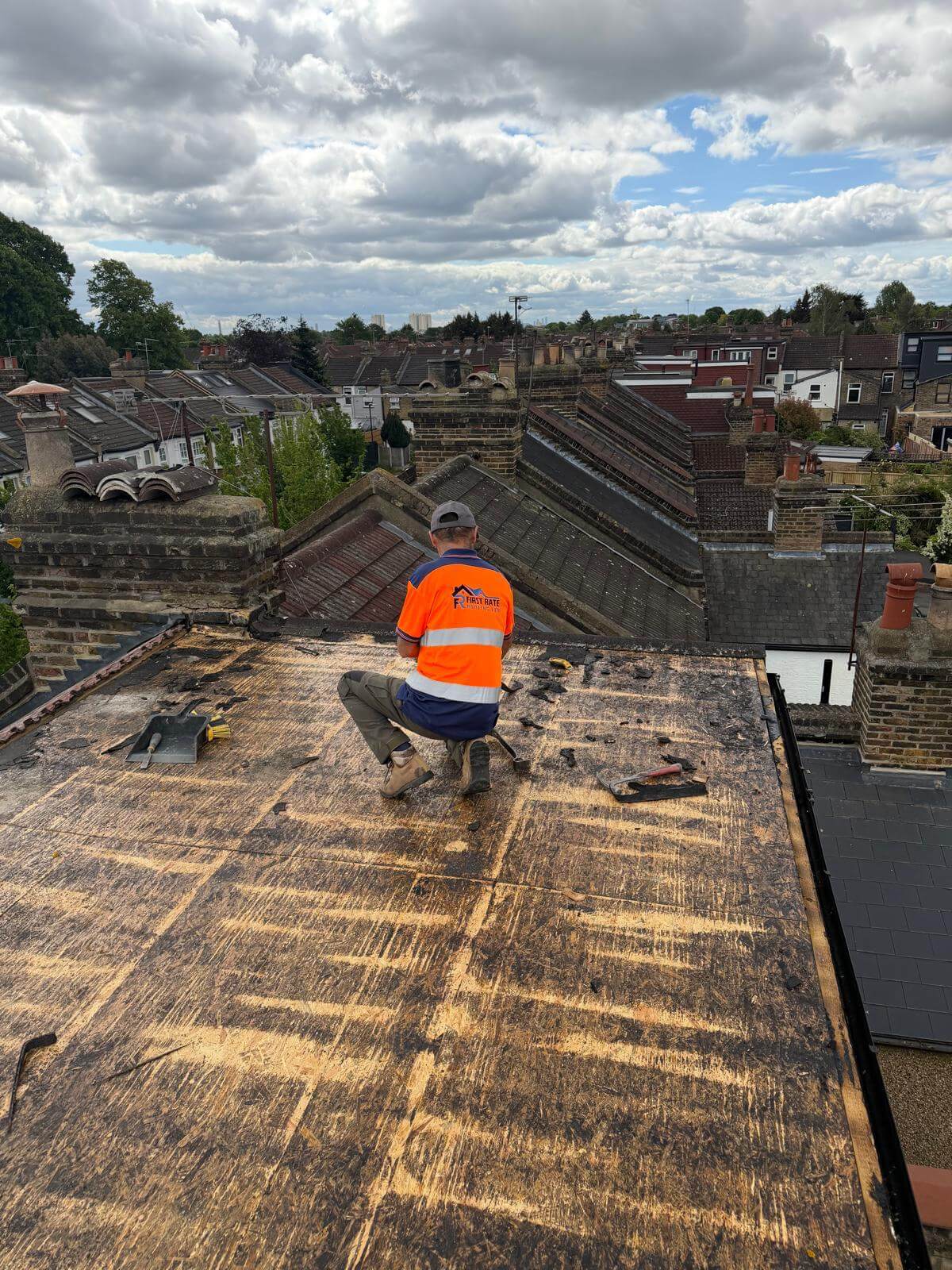
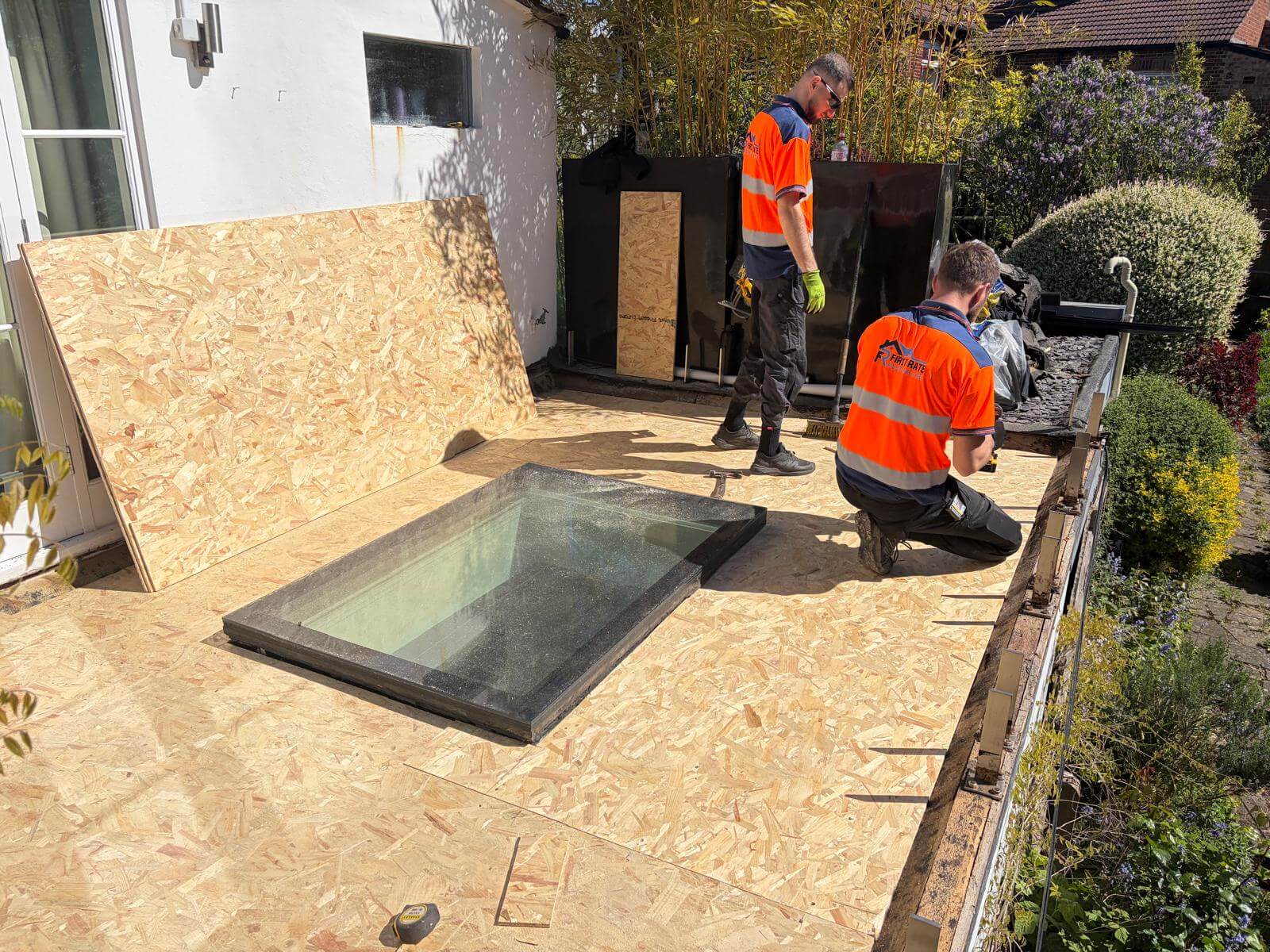
Many extended family homes along Durham Road, West Barnes Lane, and the arterial avenues in Raynes Park feature single-story flat-roof extensions, side returns, and attached garages. Most of these structures were originally fitted with multi-layer bitumen mineral felt flat roofs that deteriorate under UV exposure and London's seasonal temperature swings.
Over time, standing water on flat extension decks causes bitumen felt to crater, blister, and split at the seams. Once water penetrates the outer felt layer, it soaks into the internal timber decking, leading to rot and interior ceiling stains in kitchen and living spaces below.
We replace failing flat roofs across SW20 with advanced cold-applied GRP fibreglass and EPDM single-ply rubber systems. These modern materials form a single, jointless waterproof sheet over your extension deck, eliminating seam leaks completely. During installation, we can also fit high-density rigid warm-roof insulation boards to conform with modern Building Regulations, keeping your extension warmer in winter and lowering heating bills.
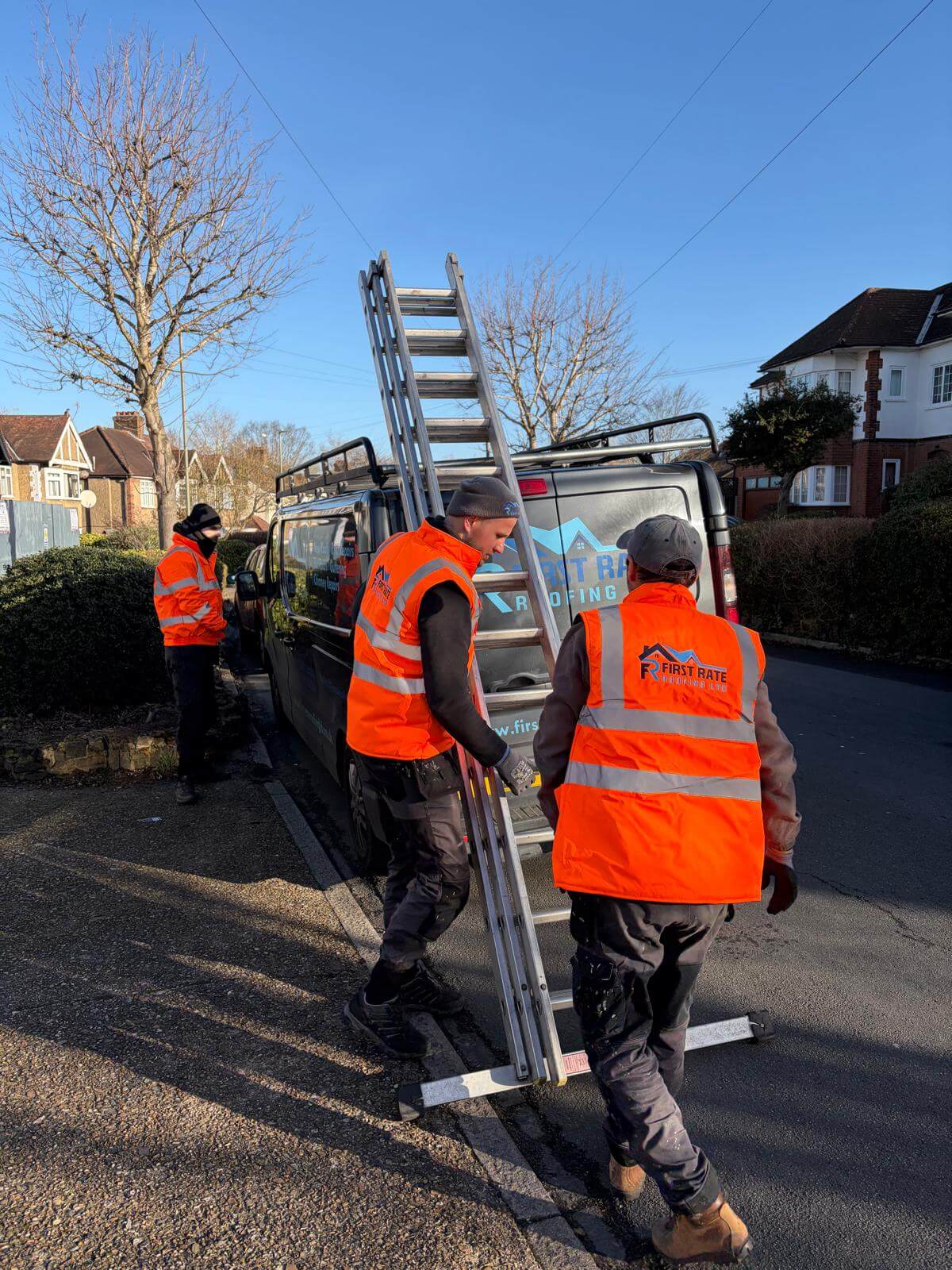
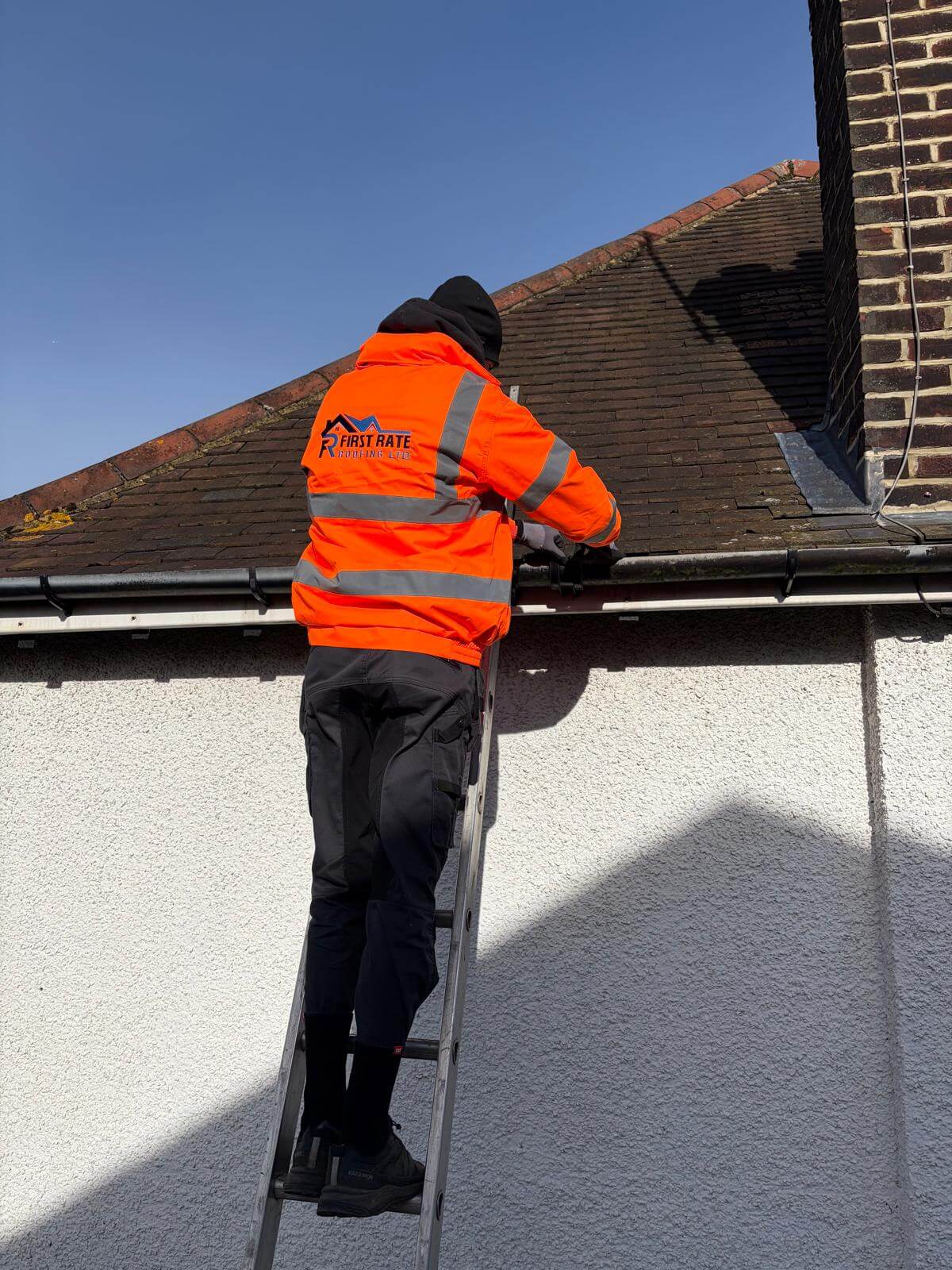
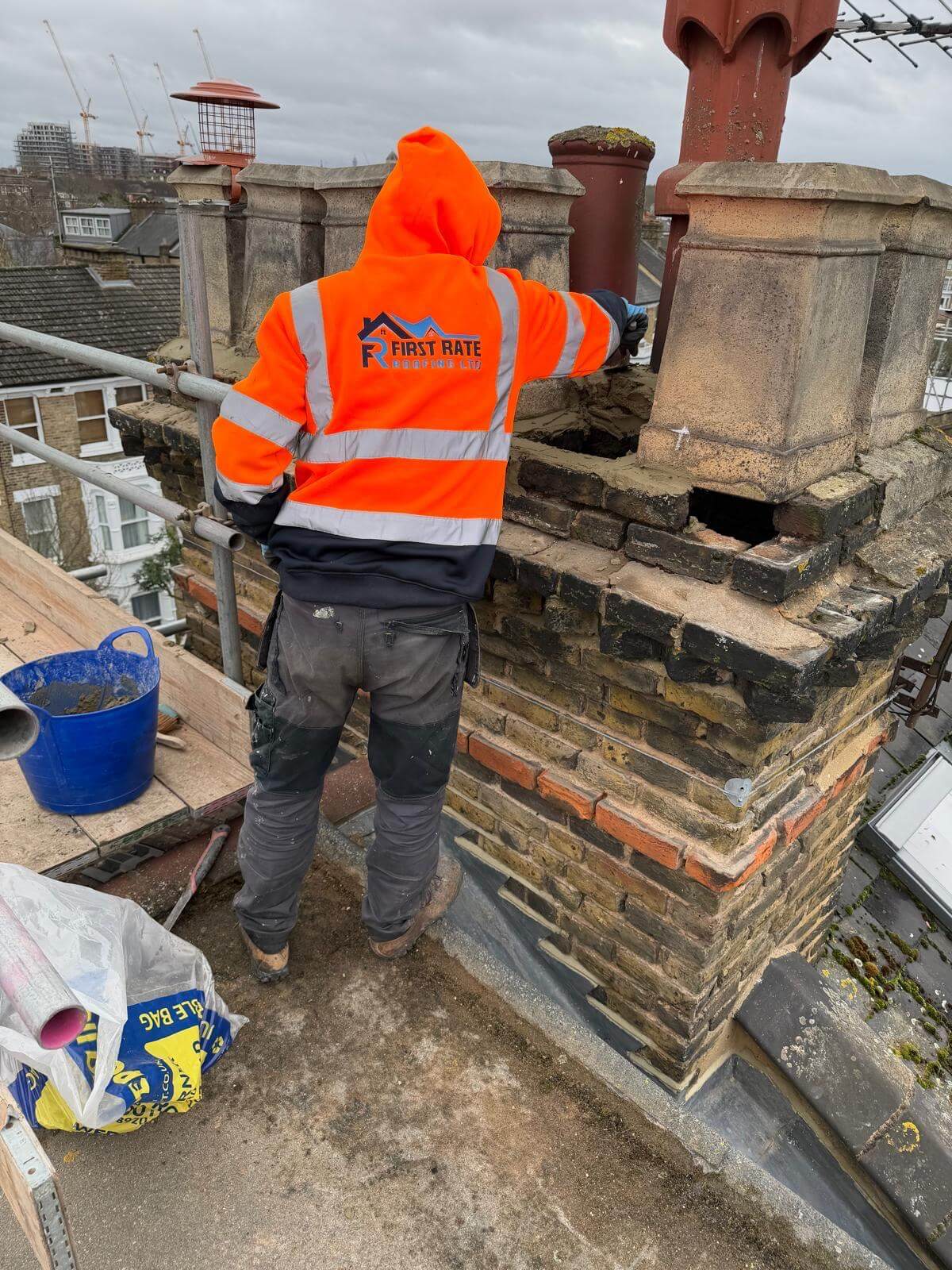
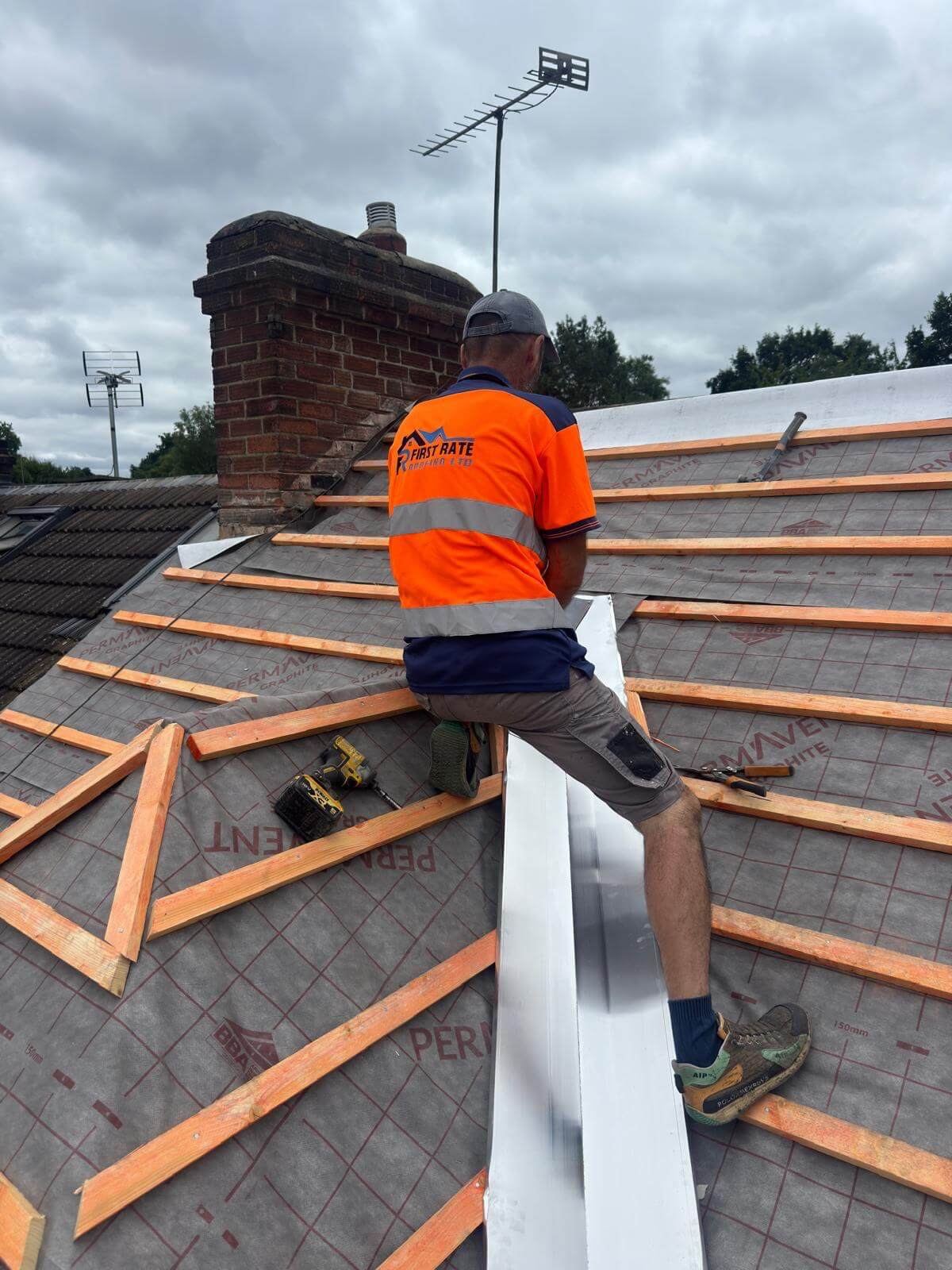
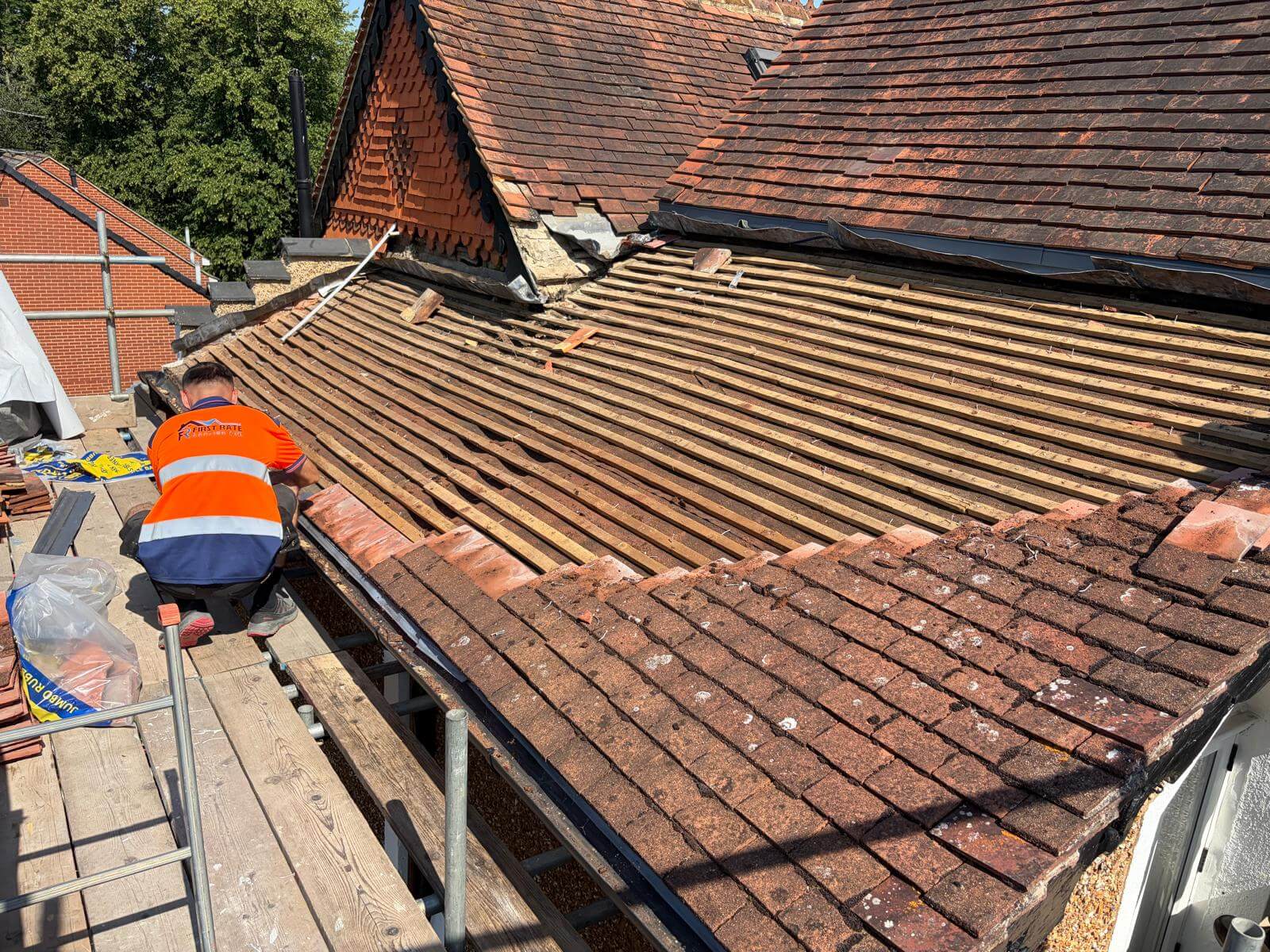
Some Recent Roofing Projects We Done
Frequently Asked Questions
Why are clay tiles sliding off my 1930s roof in Raynes Park?
Original 1930s roofs were fixed using steel or copper nails that corrode over decades of moisture exposure (known as "nail sickness"). As the nails rust through, tiles loosen and slide out of alignment. We re-secure loose tiles using corrosion-resistant copper nails and stainless steel clips.
What is the best flat roofing system for a kitchen extension in SW20?
We recommend cold-applied GRP fibreglass or EPDM single-ply rubber. Unlike traditional bitumen felt, both materials form a continuous, jointless waterproof layer that tolerates standing water and temperature changes without cracking or peeling.
Do I need planning permission from Merton Council to re-roof my home?
Like-for-like repairs using identical natural materials (such as matching clay tiles or natural Welsh slate) typically do not require formal planning permission. However, material changes or front skylights may require council approval. We verify your exact status before work begins.
How do you fix leaking lead valleys on Coombe Lane semi-detached properties?
We remove the surrounding slates or clay tiles, lift the split lead lining, inspect and repair the underlying timber valley boards, and install fresh, heavy-grade Code 5 sheet lead with correct lap joints before relaying the roof tiles.
Are your physical roof inspections in Raynes Park free of charge?
Yes. We visit your property in SW20, perform a full physical inspection of your tiles, slates, lead valleys, flat extension decks, and gutters, and provide an upfront written estimate with zero call-out fees.
Any Questions?
Ask Us
Protect Your Raynes Park Property with Third-Generation Roofing Specialists
Whether you own a 1930s semi-detached home off Grand Drive or an Edwardian terrace near Coombe Lane, First Rate Roofing Ltd delivers period-accurate, guaranteed craftsmanship built for South West London weather.
Call or WhatsApp 07455 632326 — same-day response across London.